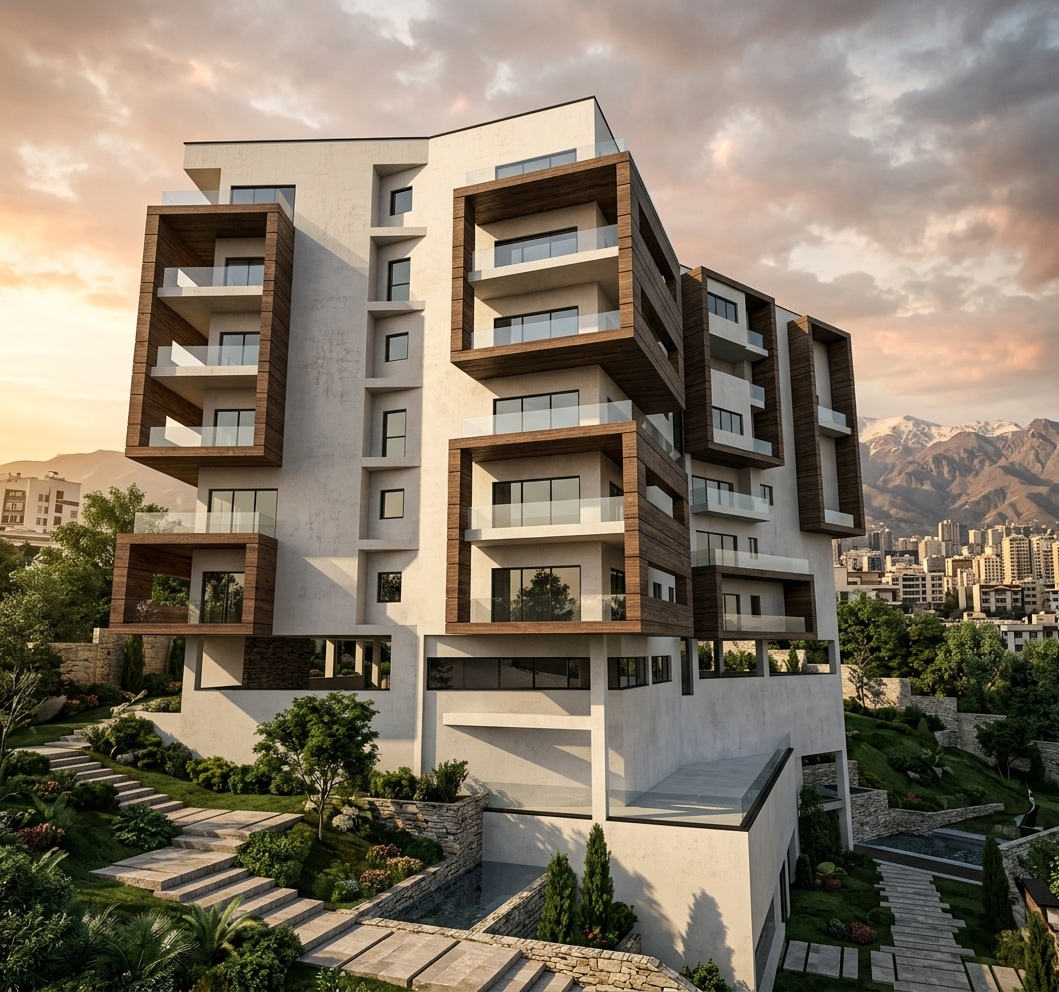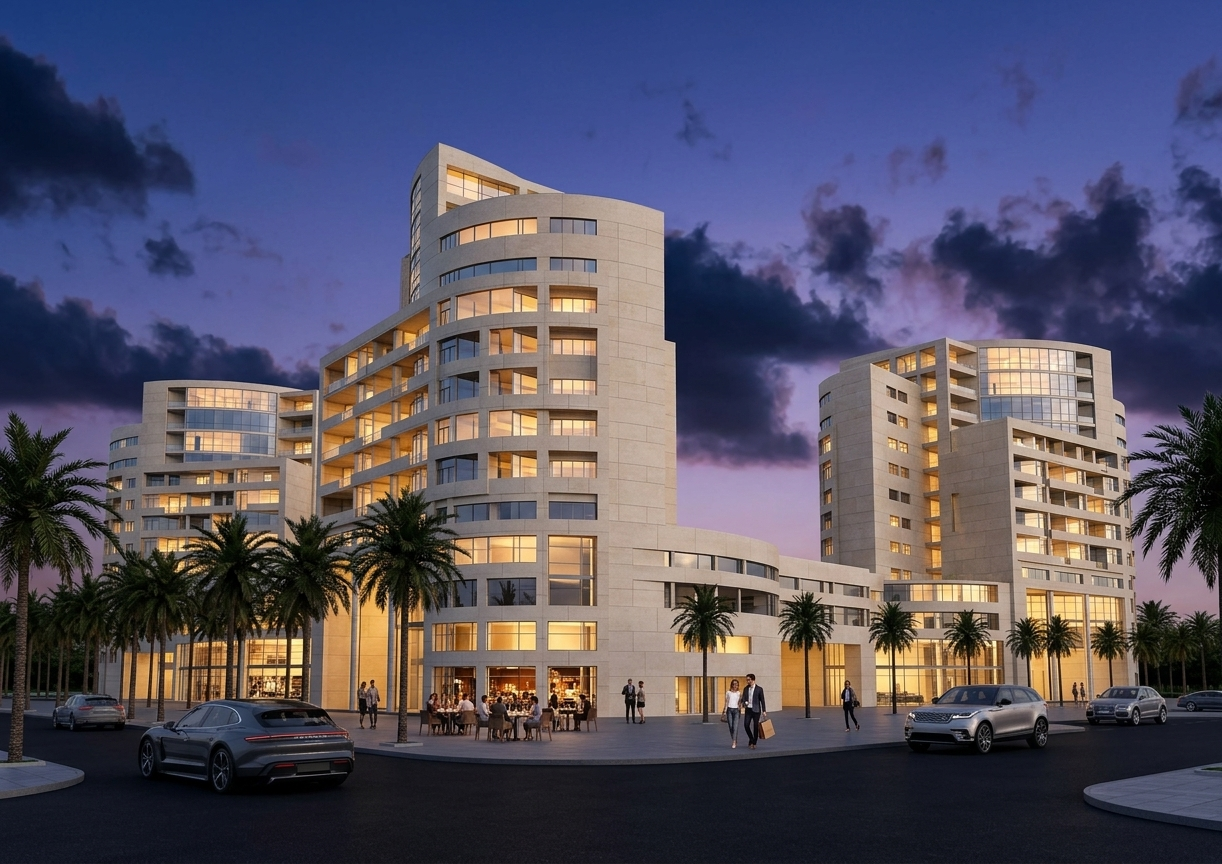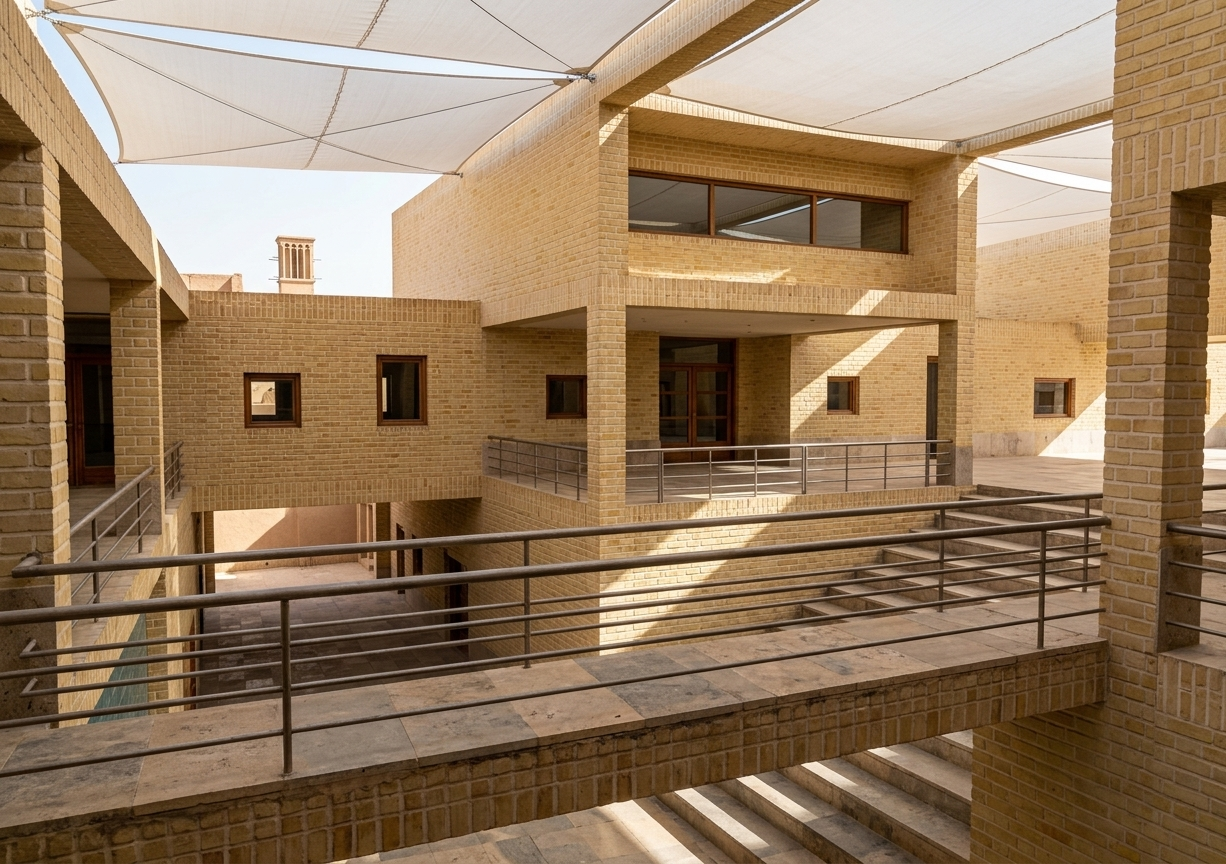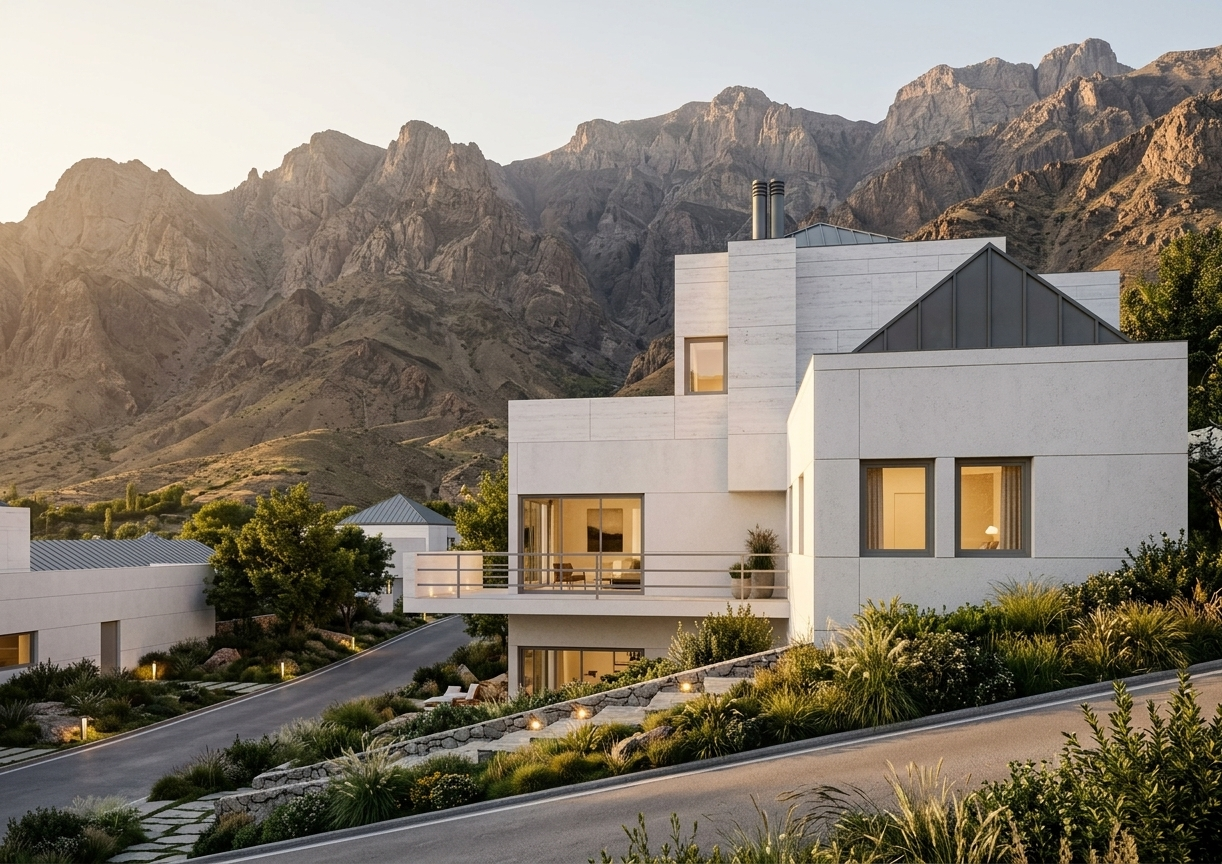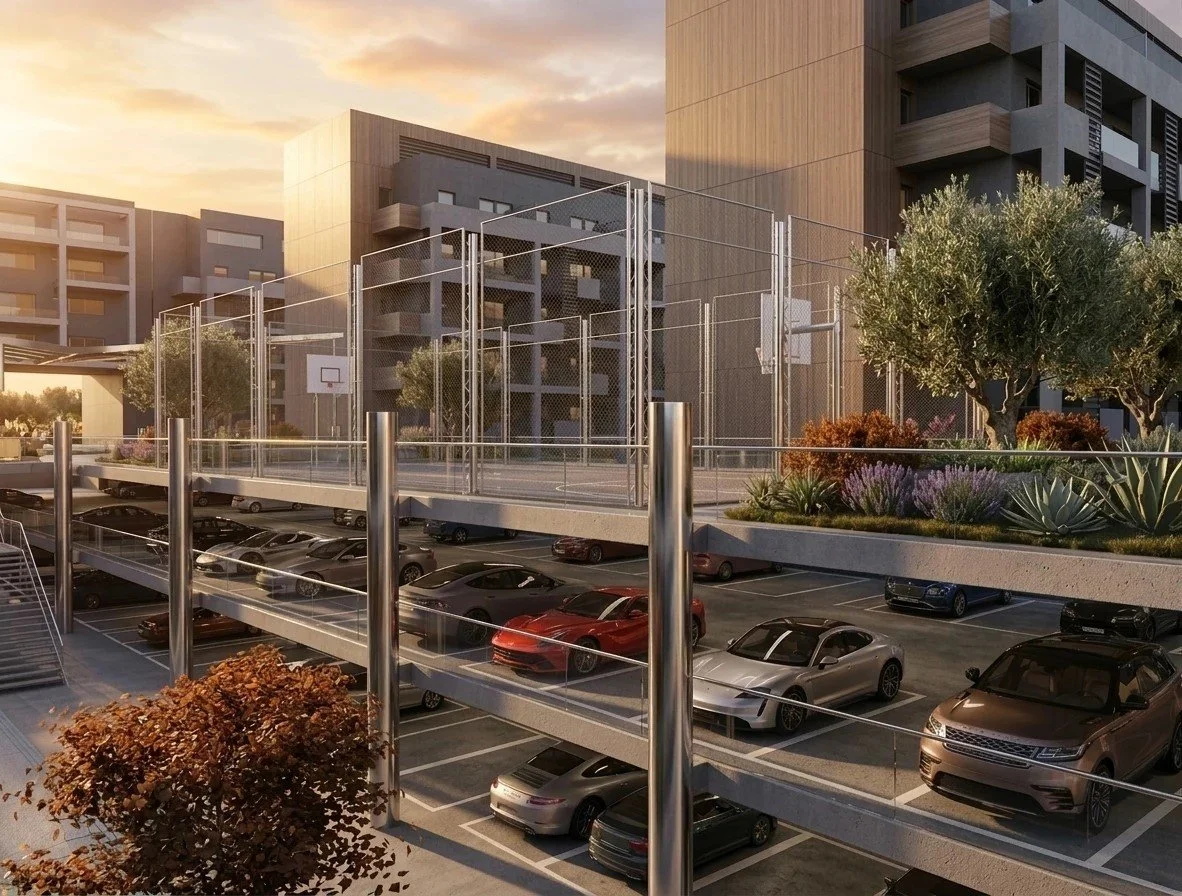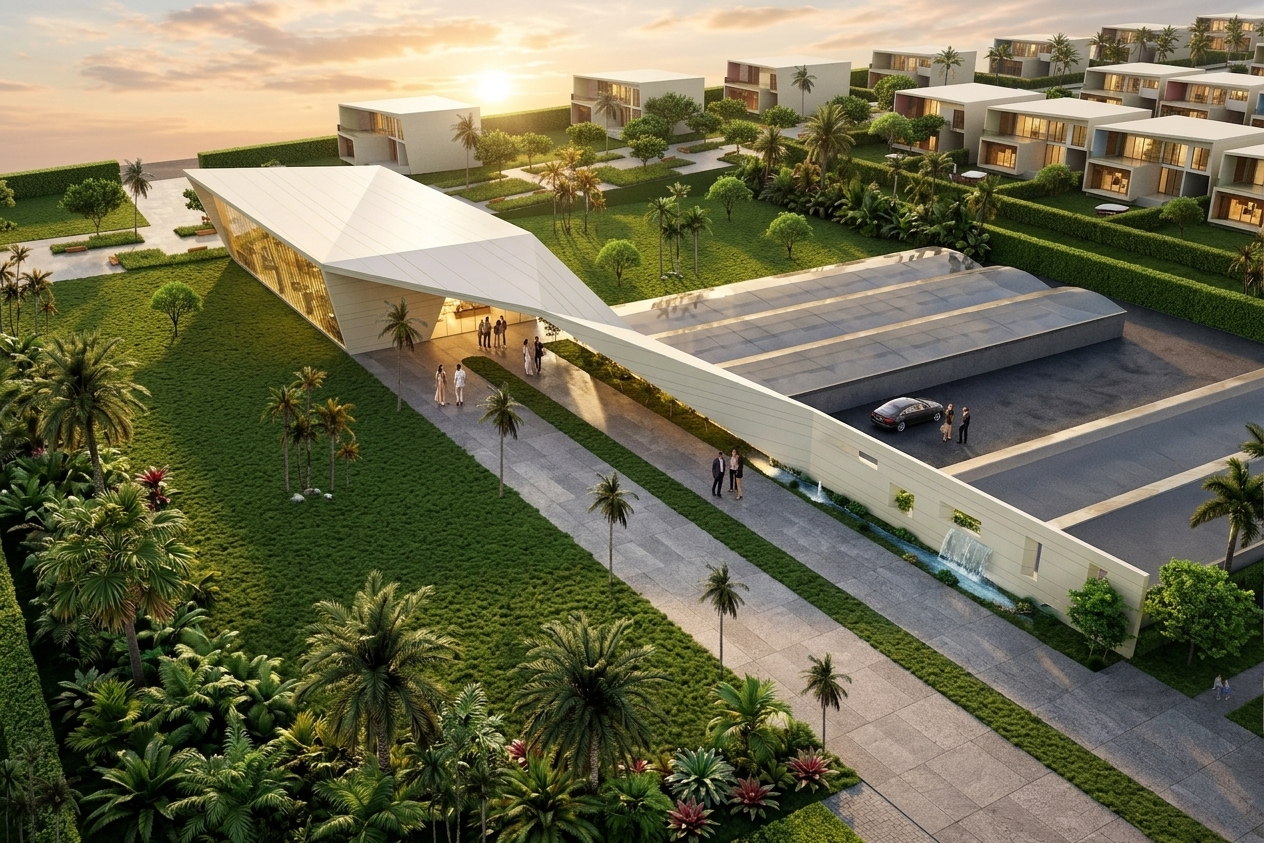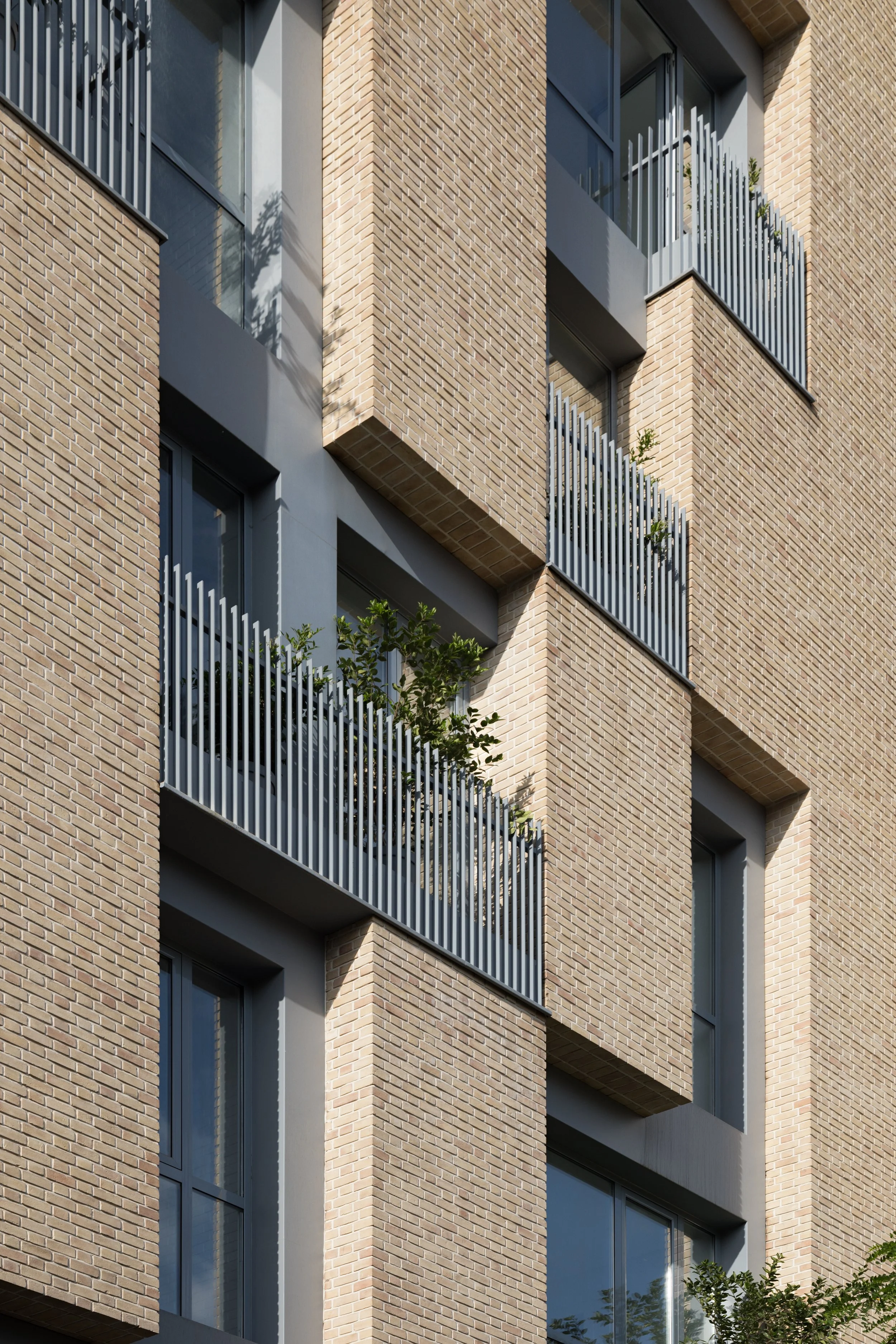
Padiav Parth is a Tehran-based architectural practice focused on architecture, interior design, and technical coordination. With over two decades of professional experience, the office develops design solutions that balance spatial quality, buildability, and long-term project value.
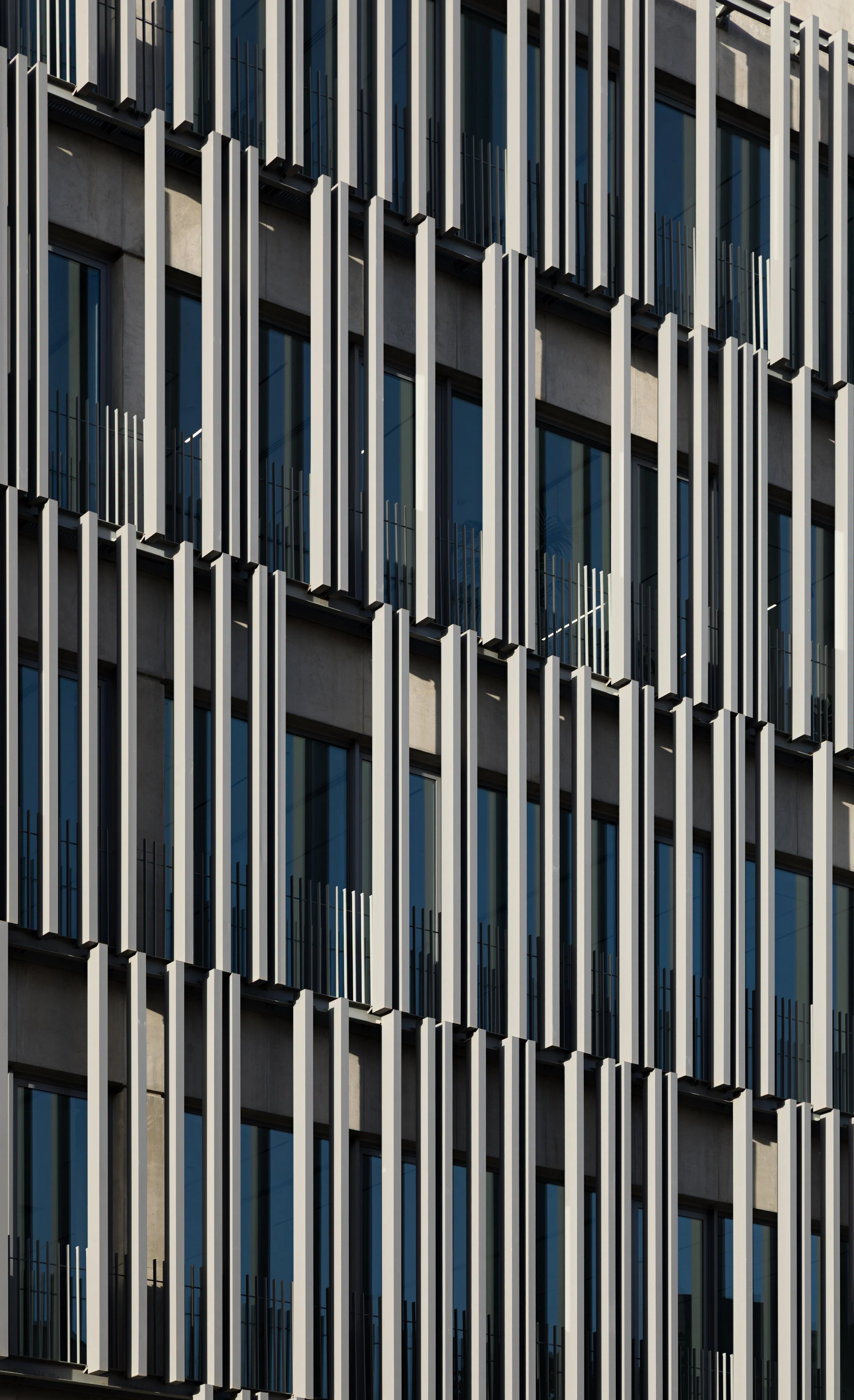
Philosophy
Design Begins with Circumstance
Each project begins with a specific set of conditions — site, climate, program, regulations, construction logic, and investment goals. We translate these conditions into architectural decisions that create quality, feasibility, and enduring value.
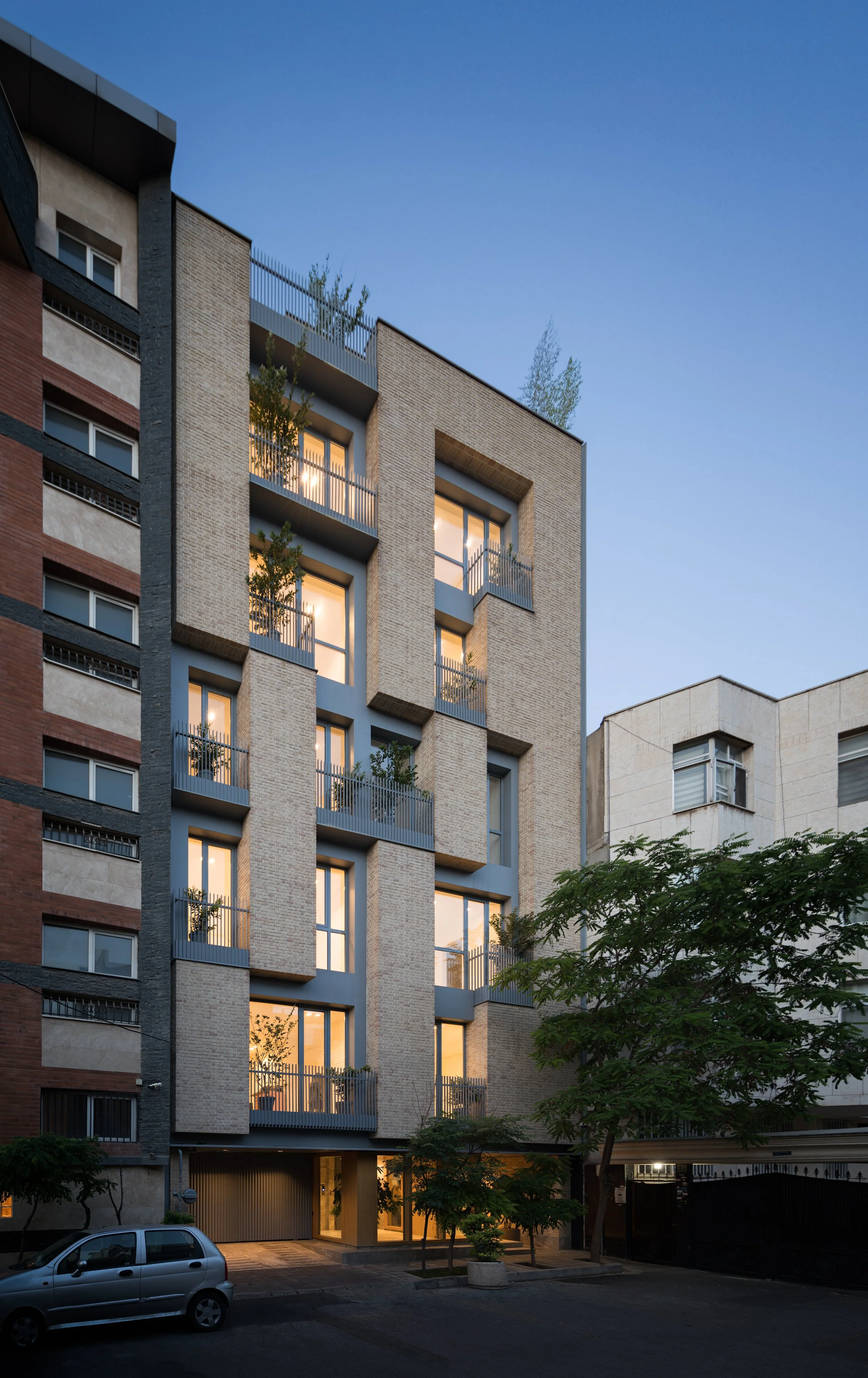
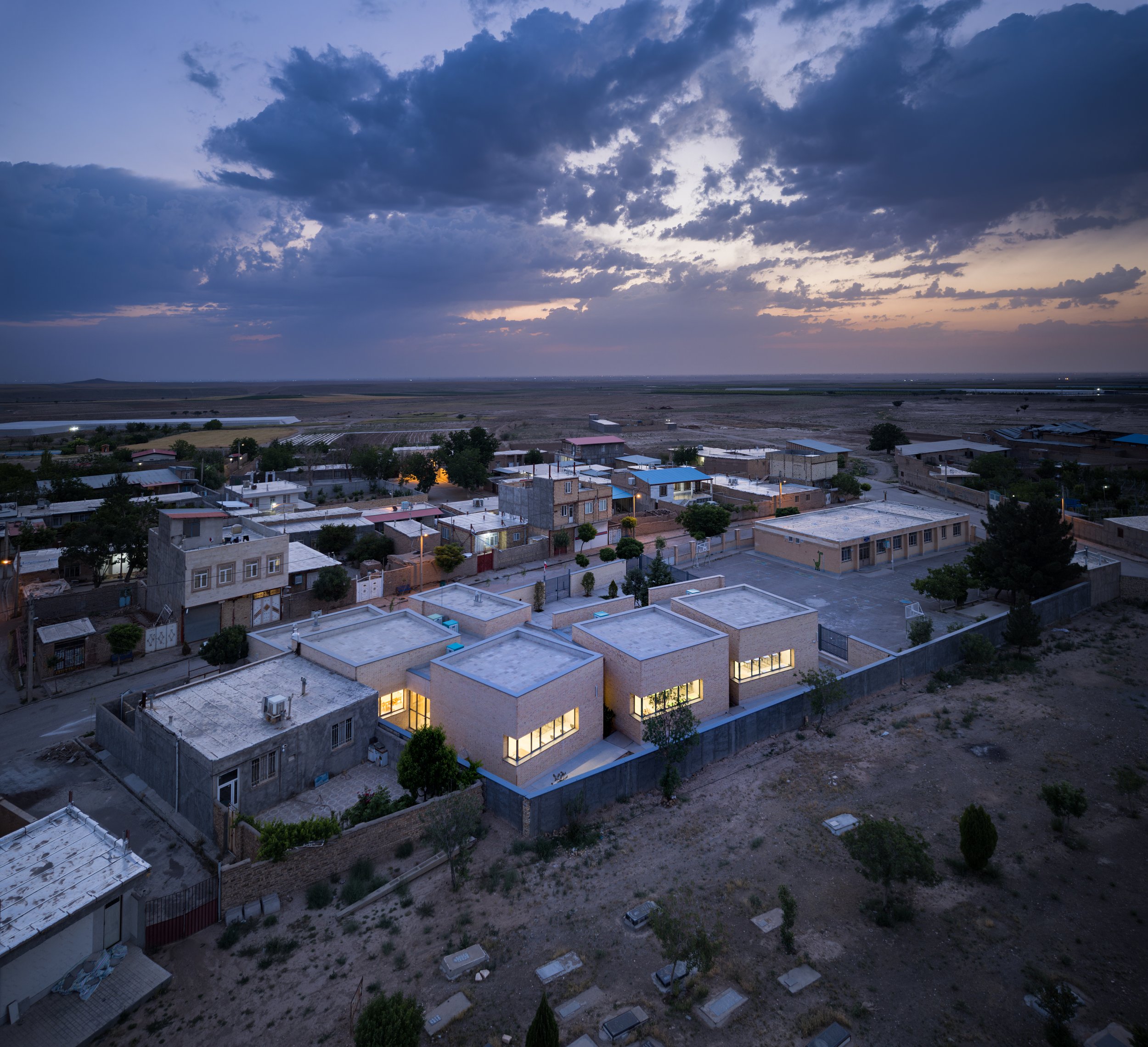
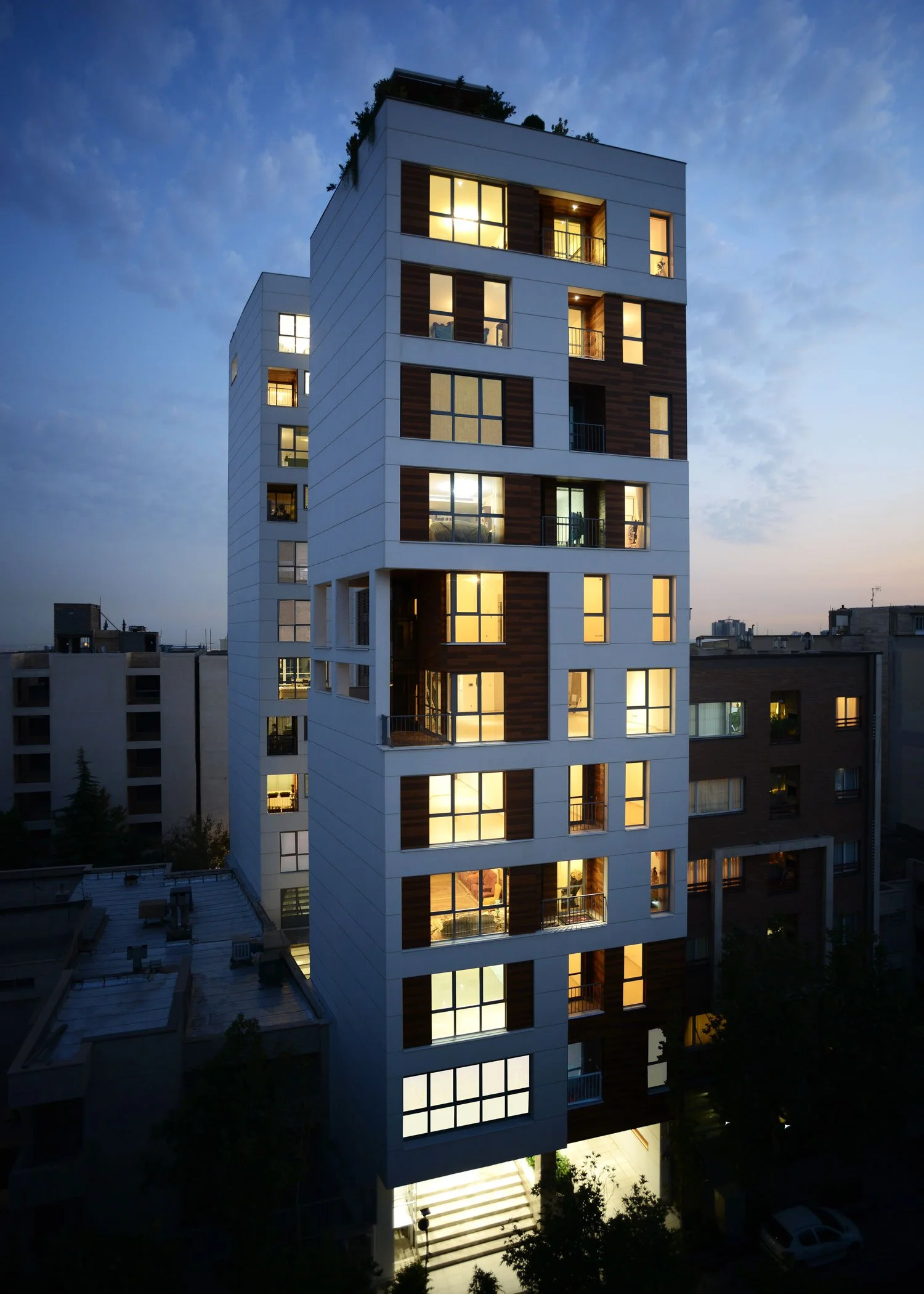
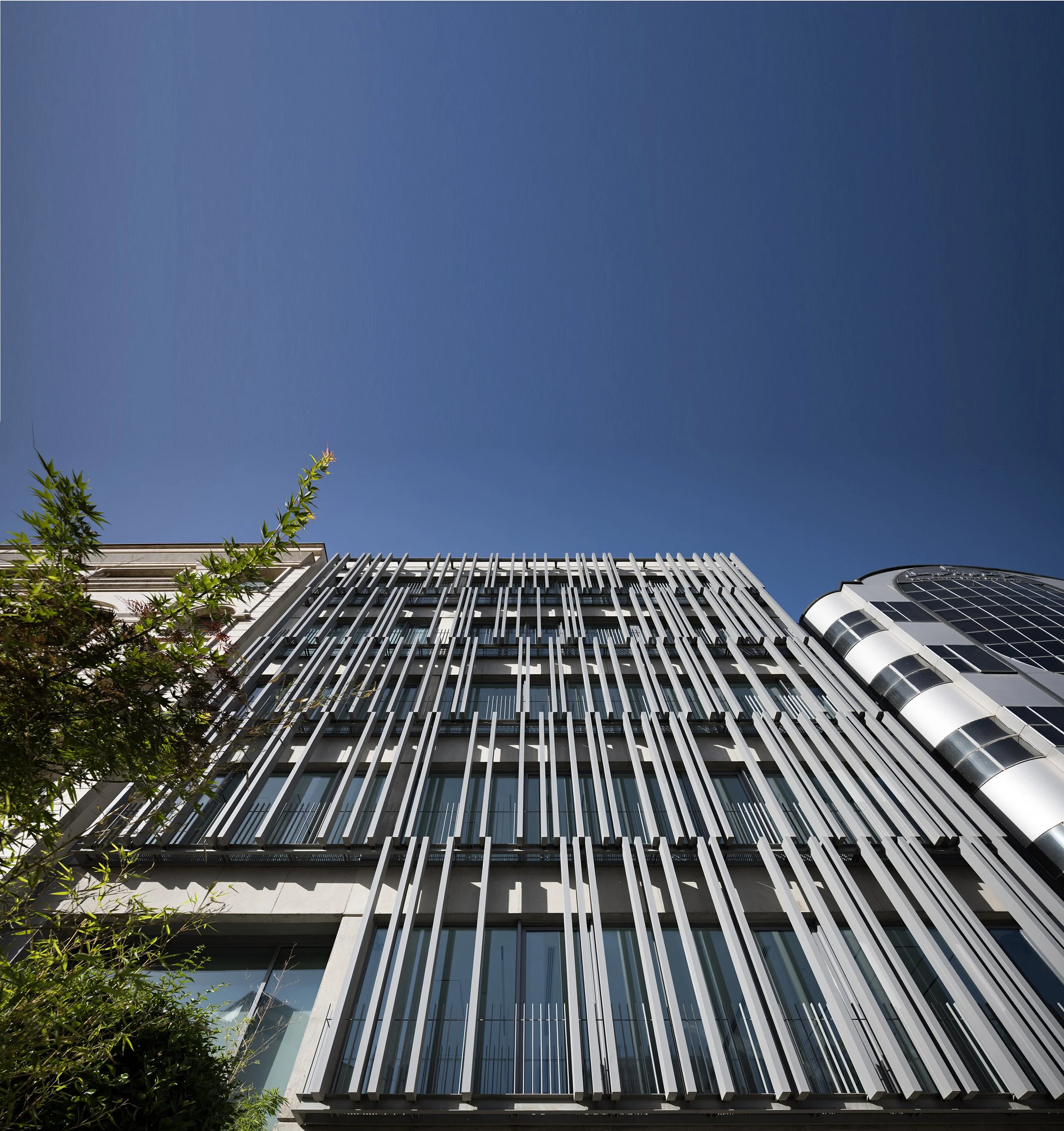
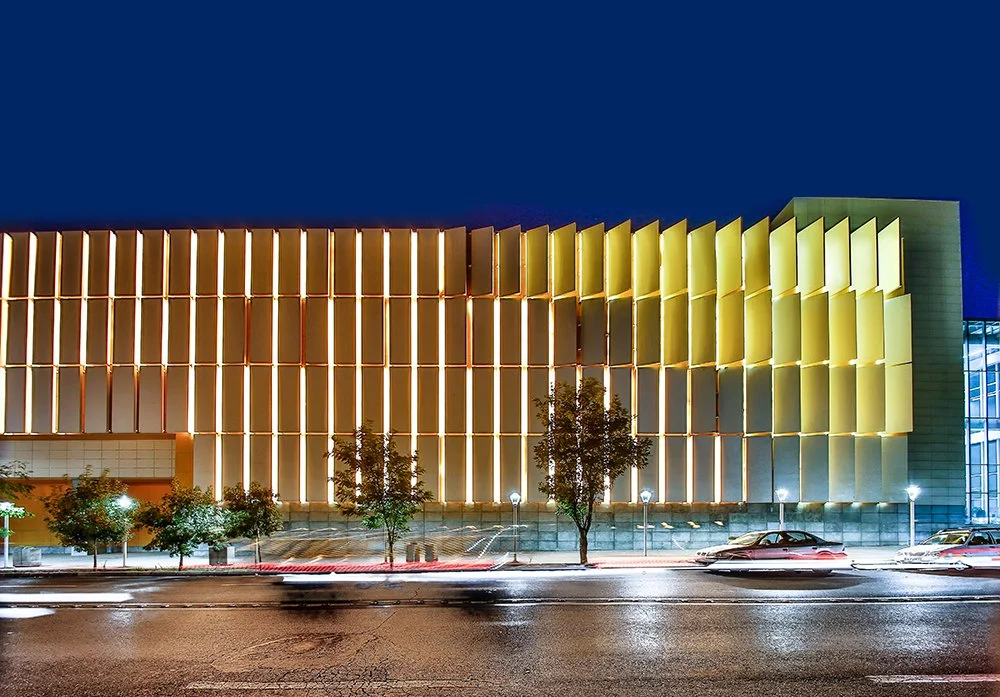
Over two decades of architectural practice shaped by real projects, diverse programs, and the evolving demands of design and construction.
Padiav Parth’s experience extends beyond the act of design. Since 2003, the practice has been engaged with the realities of architectural production — from early-stage concept development and regulatory response to technical coordination, material decisions, and execution logic.
usability, spatial performance, and the value it can create for clients, users, and stakeholders over time.
Built on Experience
Over two decades of architectural practice shaped by real projects, diverse programs, and the evolving demands of design and construction.
Padiav Parth’s experience extends beyond the act of design. Since 2003, the practice has been engaged with the realities of architectural production — from early-stage concept development and regulatory response to technical coordination, material decisions, and execution logic.
Built Projects
Experience across residential, commercial, public, and industrial projects.
The office’s portfolio reflects a broad engagement with different project types and scales. This diversity has shaped a practical understanding of how architecture must respond to context, program, budget, construction methods, and long-term use.
Technical Precision
Architecture aligned with engineering, execution, and project feasibility.
For Padiav Parth, design quality depends on the precision of its technical development. Architectural decisions are studied in relation to structure, building systems, regulations, construction logic, and coordination with engineering disciplines — reducing ambiguity and supporting the feasibility of the project.
Enduring Value
Design focused on long-term performance, spatial quality, and asset value.
The practice approaches architecture as a long-term asset. Each project is developed with attention to durability, usability, spatial performance, and the value it can create for clients, users, and stakeholders over time.